

Picking and Using a Solana Browser Wallet: Practical Guide for Everyday DeFi
I’ve been using Solana browser wallets for years. They changed how I interact with DeFi and NFTs — smoother, faster, and more awkwardly risky if you don’t pay attention. Quick honesty: browser extensions are convenient, but convenience brings new attack surfaces. This guide walks through what matters when you choose a Solana wallet extension, how to set one up safely, and smart habits that actually protect your funds.
Start with what you want. Are you swapping tokens a few times a month? Minting NFTs? Running bots? Your workflow determines the right trade-offs between convenience and security. Some wallets prioritize UX and seamless dApp connections; others lean into advanced features like hardware-wallet pairing and fine-grained permission controls. Below I compare the key considerations and show practical steps to get started.
Core features to evaluate
Speed matters on Solana — transaction confirmation times are a selling point. But beyond speed, look at:
- Account management: multiple accounts and easy switching
- Seed phrase backup & recovery UX
- Hardware wallet support (Ledger/Trezor integration)
- Permission model for dApps (clear prompts, origin info)
- Token/metadata display (SPL token visibility, custom token add)
- Open-source codebase and active audits
Phantom, for example, is one of the more widely used browser extensions in the Solana space. If you’re curious about trying it, you can get the phantom wallet extension directly from their installer page. However, don’t install things blindly — always verify sources and double-check the extension publisher in the browser store.
Installation & initial setup — step by step
Install only from official channels. Then:
- Create a new wallet and write down your seed phrase on paper — not a screenshot, not a cloud note. Write it twice, store it separately.
- Set a strong password for local lock/unlock if the extension offers one.
- Test restore: on a secondary machine or browser profile, try restoring from your seed phrase (do this offline if possible). Confirm you can restore before funding the wallet.
- Enable hardware wallet pairing if you plan to hold significant funds — pair via USB and confirm address fingerprints match on device.
Don’t skip the restore test. Seriously — that one step has saved friends from losing access after a hard drive crash. It’s basic hygiene, but many skip it because they’re in a rush.
Connecting to dApps safely
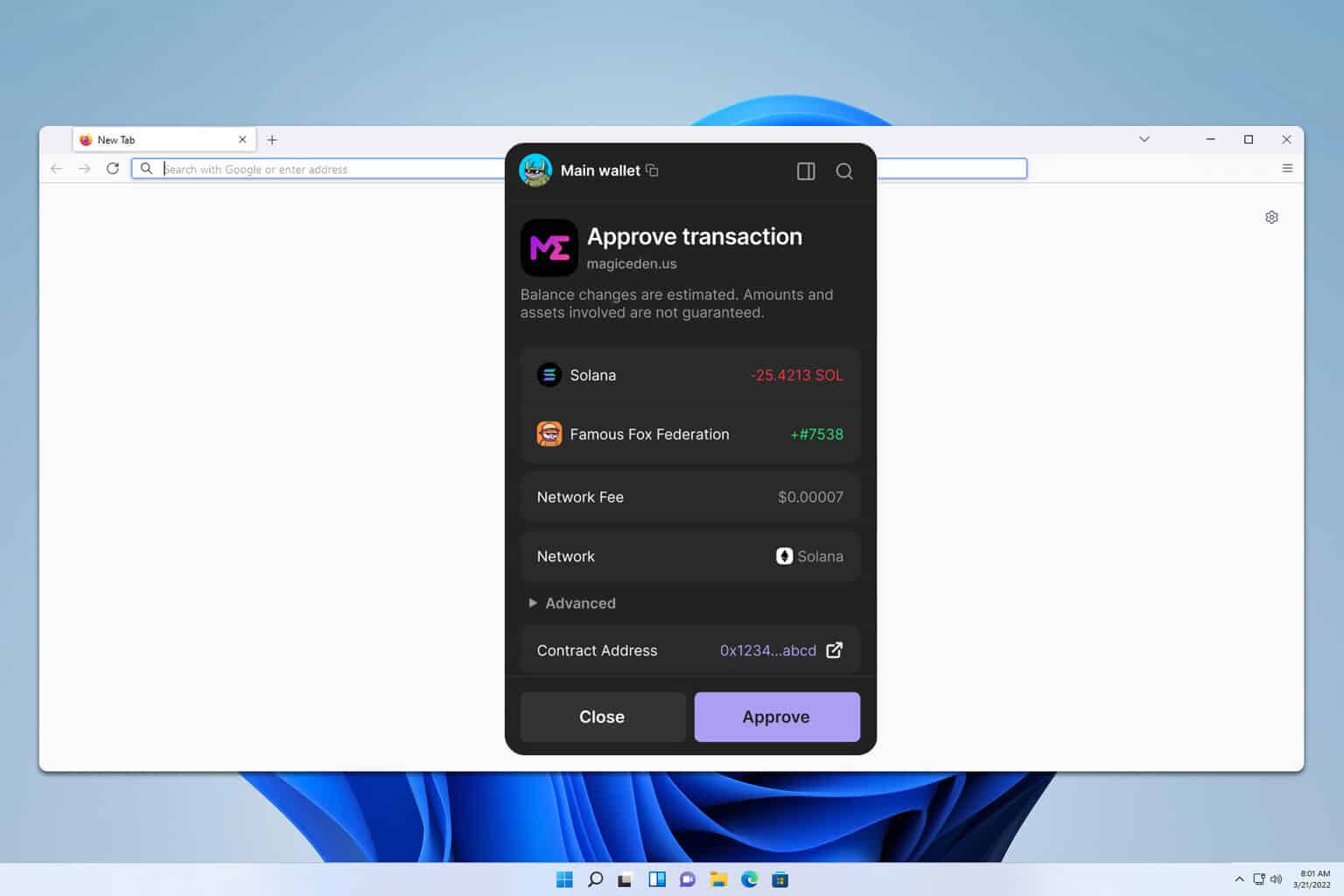
Browser wallets make dApp auth simple: a popup, a connect button, and you’re in. That flow is also the most abused vector by phishing dApps and malicious sites. A few rules:
- Only connect after verifying the site URL and reputation.
- Examine the permission request: is the dApp asking to sign arbitrary transactions or just view your address?
- When signing transactions, double-check amounts and destination addresses. Don’t blindly approve batched transactions.
- Use a separate account for high-risk interactions (airdrop testing, unknown contracts).
In practice, I keep a “hot” account with small amounts for experimenting, and a cold account (hardware-backed) for significant holdings. That simple separation reduces stress — and losses — when something shady pops up.
Managing tokens, NFTs, and staking
Token visibility can be confusing. Some SPL tokens require you to add metadata manually. Wallets that auto-detect tokens make life easier, but they can also show malicious tokens with confusing names. Verify token mints on explorers like Solscan before interacting.
Staking SOL is straightforward: most wallets offer a stake flow to validators. Consider validator performance and commission, but also look at long-term reliability. Splitting stakes across validators can reduce slashing risk (though Solana slashing is rare for stake). If you’re delegating through a non-custodial wallet, you retain custody — which is good.
Security best practices
There’s an overlap between good computer hygiene and wallet safety. Key practices:
- Never paste your seed phrase into a website. Never. If a site asks for it, it’s a scam.
- Keep your seed phrase offline and use a hardware wallet for large balances.
- Limit extension permissions and use browser profiles to compartmentalize activity.
- Update your browser and extension promptly — many fixes are security-driven.
- Beware cloned extensions with similar names or icons; check publisher and install count.
Small tip: set your extension to auto-lock quickly, like 1–5 minutes of inactivity. It’s a minor annoyance, but it prevents casual account hijack if someone gets access to your unlocked machine.
Recovery & incident steps
If you suspect a compromise:
- Move funds to a new wallet (use a hardware-backed wallet if possible).
- Revoke any dApp approvals you don’t recognize — some explorers and wallet UIs let you view and revoke allowances.
- Change passwords on related accounts, and check for malware on your device.
- If you lose your seed phrase, act fast: create a fresh wallet and migrate funds before any potential attacker finds you.
FAQ
Do I need a browser extension or is a mobile wallet enough?
Both have pros. Browser extensions integrate tightly with desktop dApps and are convenient for trading and NFT marketplaces. Mobile wallets are handy on the go and often have QR-based signing. For best security, use hardware wallets with either interface when handling significant funds.
How can I confirm a wallet extension is legitimate?
Check the extension publisher, review the official project website, and look for code repositories or audits. Community channels (Discord, Twitter) and reputable media coverage also help. If in doubt, install on a throwaway profile and test with tiny amounts first.
What’s the simplest way to reduce risk?
Use a small “hot” account for daily use and a hardware-backed “cold” account for long-term holdings. Keep seed phrases offline, enable auto-lock, and verify every transaction before signing.